A spy camera watch combines the functionality of a wristwatch with a miniature hidden camera, creating a discreet recording and observation device. In the context of card game analysis, spy camera watches serve as the visual input layer for electronic poker analysis systems. This article covers the technology, specifications, and applications of spy camera watches in detail.
What Is a Spy Camera Watch?
A spy camera watch is a wristwatch that contains a miniature camera module hidden within its case. The camera lens is typically positioned in the watch face, often disguised as a sub-dial, date window, or decorative element. From the outside, the watch looks and functions like a normal timepiece, complete with working clock hands or a digital display. The hidden camera captures video or still images and stores them on internal memory or transmits them wirelessly to an external device.
Modern spy camera watches use CMOS sensor technology originally developed for smartphone cameras, enabling 1080p or even 4K video capture in a package small enough to fit inside a standard 40-45mm watch case. Battery life typically ranges from 1-4 hours of continuous recording, with some models supporting extended operation through external battery packs.
Technical Specifications: What to Look For
Camera Resolution and Quality
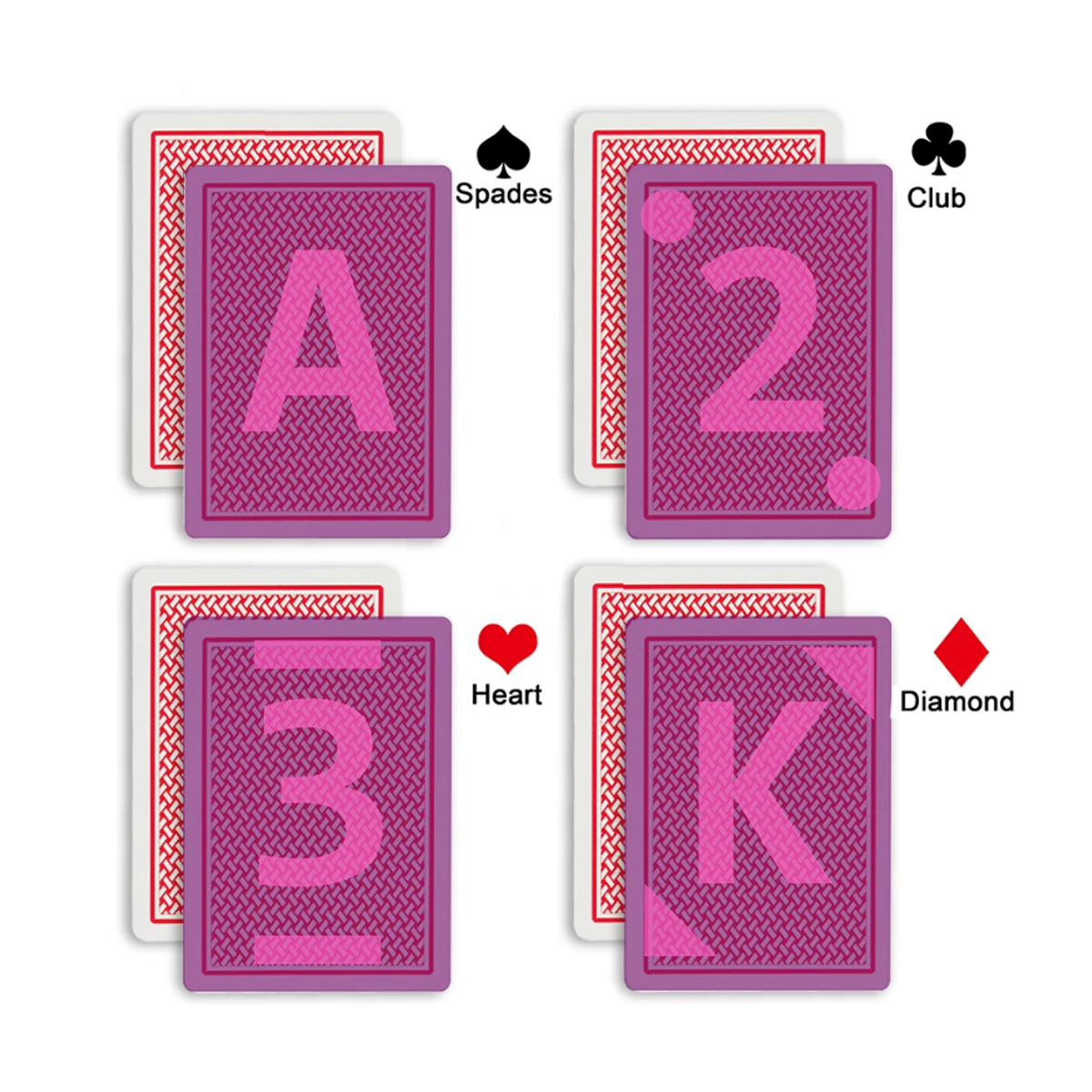
Entry-level spy camera watches offer 480p or 720p resolution, which may be insufficient for reading fine luminous ink markings on card backs from across a table. Professional-grade watches provide 1080p resolution with good low-light performance, enabling clear card identification even in the dim lighting conditions common in card rooms and private games.
Key camera specifications to evaluate include sensor size, which affects low-light performance with larger sensors capturing more light, lens aperture with wider apertures gathering more light but potentially reducing depth of field, and field of view typically ranging from 60-120 degrees depending on the lens design.
Wireless Transmission
Most spy camera watches designed for poker analysis include wireless transmission capabilities. Common transmission methods include Wi-Fi direct connection to a smartphone or tablet for the shortest range but highest bandwidth option, Bluetooth for lower power consumption and longer battery life but limited data transfer rates, and dedicated 2.4GHz or 5GHz radio frequency transmission for secure dedicated connections with ranges up to 30 meters.
For card analysis applications, transmission range and reliability are critical because the processing device may need to be located some distance from the table for discretion. Professional systems use encrypted transmission protocols to prevent signal interception and detection by RF scanning equipment.
Applications in Card Game Analysis
In a poker analysis setup, the spy camera watch serves as the primary image capture device. The watch camera captures images of the card backs on the table as they are dealt. These images are transmitted to a processing unit, typically a modified smartphone running specialized analysis software. The software identifies the luminous ink markings or barcode patterns on the card backs and calculates the optimal play strategy based on the known cards.
The watch form factor offers several advantages for this application. The natural position of the wrist during card play provides an unobstructed view of the table. The watch is a common accessory that does not attract suspicion. And the camera angle can be adjusted subtly by repositioning the arm without needing to touch or adjust the device directly.
Comparing Spy Camera Watches to Other Hidden Cameras
Spy camera watches compete with several other hidden camera form factors for card analysis applications:
- Watch vs button camera: Button cameras are smaller and more discreet but have a fixed angle determined by clothing position. Watches allow dynamic angle adjustment through natural arm movements.
- Watch vs power bank camera: Power banks offer dramatically longer battery life but must be placed on or near the table, making them less discreet. Watches are worn on the body and attract far less attention.
- Watch vs car key camera: Car key cameras are compact but have a fixed position once placed. Watches offer continuous adjustability and are always with the user.
- Watch vs glasses camera: Camera glasses provide a first-person perspective that matches the wearer natural field of view. However, they are more obvious than watches and may not suit all face shapes or prescription requirements.
Battery Life and Power Management
Battery life is a critical consideration for spy camera watches used in card analysis. A typical poker session lasts 2-6 hours, and the camera must operate continuously throughout. Entry-level watches with 1-2 hours of battery life are insufficient for this application. Professional models provide 3-4 hours of continuous recording and some support connection to external battery packs that extend operation to 8 hours or more.
Power management features that extend battery life include motion-activated recording that only captures images when the arm is in position, adjustable frame rates that reduce power consumption during inactive periods, and low-power standby modes that keep the wireless connection alive while minimizing camera sensor power draw.
Detection and Counter-Detection Features
Modern spy camera watches incorporate several features to reduce detection risk. The camera lens is concealed behind a semi-transparent cover that appears opaque from most angles but allows images to pass through. Infrared LED indicators that would normally glow during recording are disabled or replaced with non-emitting alternatives. And some watches use a camera module that can be rotated or retracted into the case when not actively recording.
Despite these counter-detection features, spy camera watches are not completely undetectable. Close physical inspection can reveal the camera lens port, and specialized RF detection equipment can identify the wireless transmission signal. Users should understand these detection risks and the environments where they apply.
Choosing the Right Spy Camera Watch
Selection criteria for a spy camera watch should include resolution sufficient for reading your specific card marking system, battery life adequate for your typical session length, wireless range and reliability for your environment, and design that matches your personal style to avoid attracting attention. Professional models offer the best combination of these features but at a higher price point than consumer-grade alternatives.
Conclusion
Spy camera watches represent a sophisticated convergence of miniaturized camera technology, wireless communication, and industrial design. For card game analysis applications, they offer a unique combination of discretion, adjustability, and technical capability. Understanding the specifications, trade-offs, and operational considerations helps users select the right watch for their specific needs and use it effectively as part of a complete analysis system.